
The Thrill of Risk in High-Stakes Gaming
The allure of high-stakes casino games is deeply tied to the psychology of risk-taking. Players are often drawn to the adrenaline rush that accompanies betting large sums of money. This thrill can create a euphoric state, where the likelihood of winning overshadows the potential for significant losses. If you are curious about how to enhance your experience, click here to find resources that empower individuals to engage in meaningful dialogue and initiatives. The anticipation leading up to each round can be exhilarating, making players feel alive and engaged in a way that mundane activities rarely do.

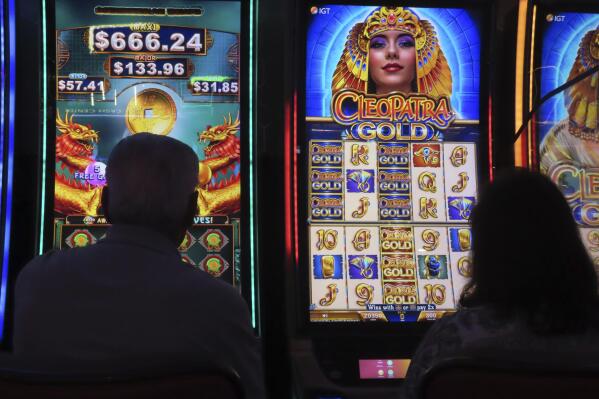
This connection to risk is further amplified by the environment of the casino itself. Bright lights, enticing sounds, and the buzz of excitement surrounding the tables all serve to heighten the adrenaline. Players experience a physiological response, which can often override rational thinking, leading them to make impulsive decisions that they might reconsider outside the casino setting.
The Role of Cognitive Biases
Cognitive biases play a crucial role in how players perceive their chances of winning at high-stakes games. The “Gambler’s Fallacy,” for example, is the misconception that past outcomes influence future events. A player might believe that after several losses, a win is due, leading them to place even larger bets. This bias can significantly skew their assessment of risk and reward, driving them deeper into high-stakes gambling.
Moreover, confirmation bias can lead players to focus only on their wins, ignoring their losses. This selective memory reinforces the belief that they are more successful than they truly are, creating a cycle of risky behavior that can be hard to break. As they chase these perceived wins, players often find themselves in a precarious financial situation.
Emotional Factors in High-Stakes Betting
Emotions play a significant role in high-stakes casino games, influencing both decision-making and behavior at the tables. Many players enter casinos seeking an escape from their everyday lives, using gambling as a way to cope with stress or emotional pain. This escapism can lead to a temporary high, but it often results in deeper emotional struggles.
Additionally, the emotional highs and lows experienced during gameplay can create a rollercoaster effect. A substantial win can lead to euphoria, while a significant loss can cause despair. These fluctuating emotions can trap players in a cycle of gambling, as they seek to recreate the highs they’ve experienced, often ignoring the potential for losses.
The Social Influences on Gambling Behavior
Social dynamics also significantly influence behavior in high-stakes casino games. Many individuals are drawn to the communal atmosphere of a casino, where they can engage with fellow gamblers. This socialization can lead to increased confidence and risk-taking, as players feed off each other’s energy and excitement.
Friend groups often create a sense of belonging that can make high-stakes gambling tempting. Individuals may feel pressured to participate or to bet higher amounts by the presence of peers, which can exacerbate the risk involved. The social aspect of gambling not only enhances the overall experience but can also lead to poor decision-making and financial repercussions.
Connecting through Shared Experiences on Nordic Bridges
Exploring the psychology behind high-stakes casino games can provide insights into how emotional and social factors shape behaviors. By understanding these dynamics, individuals can make more informed decisions, whether in gambling or other social interactions, as they navigate their way through life’s high-stakes scenarios.